
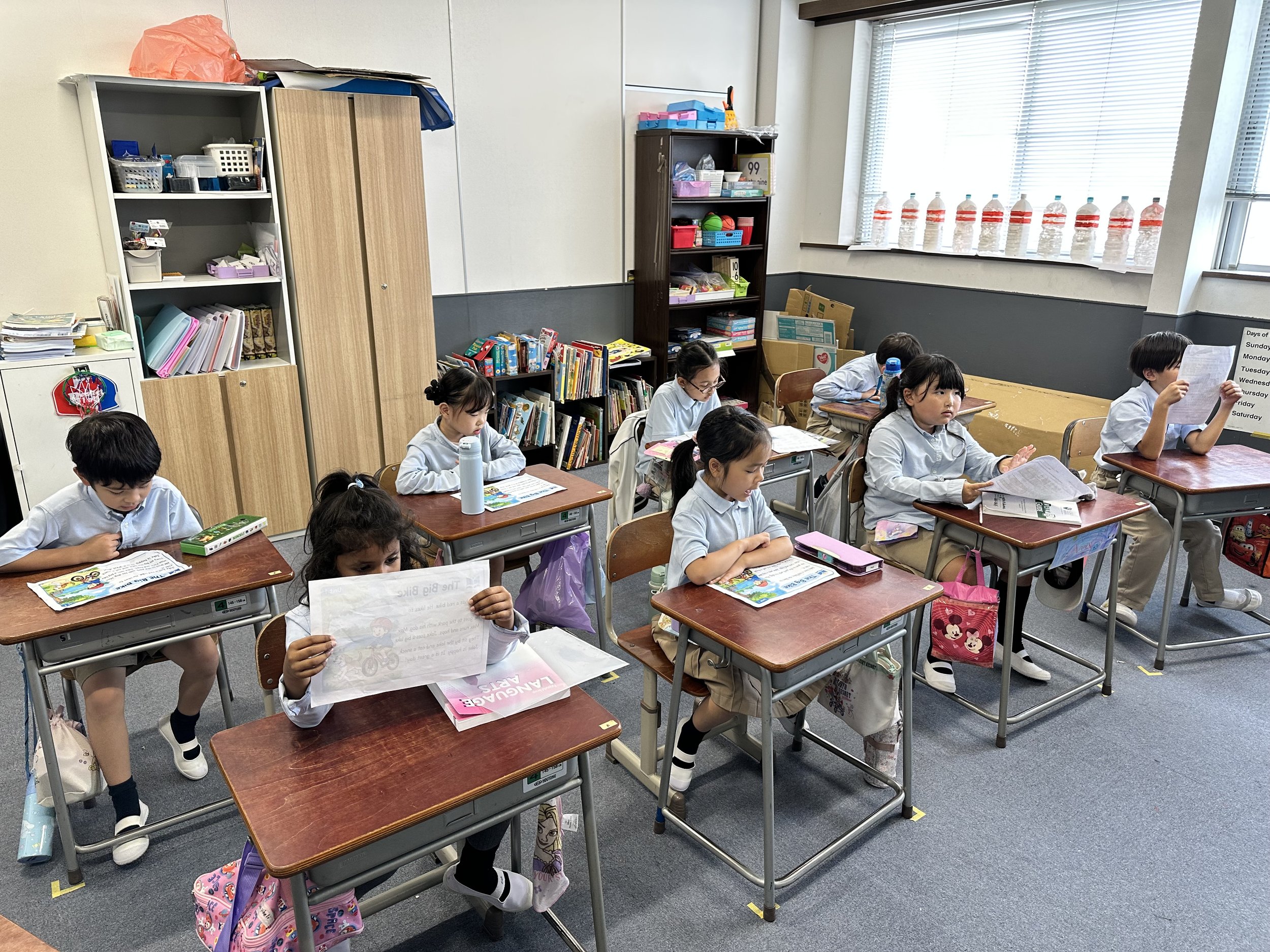
Elementary
In small classroom sizes, students can learn and grow at their own pace. They become independent learners and thinkers. We encourage students to ask questions, research for themselves and maintain open communication. Individual attention can be given to each student to strengthen weaker areas and improve their strengths.

Academics
We strive to make our classrooms a place where students are encouraged to do their best in every area - academically, socially, and morally. With clear goals for each grade level, we expect continuous growth across all subjects. Thanks to our small class sizes, teachers can easily adapt to the individual needs of each student, ensuring that every child receives the support and attention they need to succeed.
English
At Sano International School, we want students to develop a love for English and feel confident using it in their everyday lives. Through daily English classes, students explore language through reading, writing, conversations, storytelling, and engaging activities that make learning both meaningful and enjoyable.
Using an American English curriculum, our program develops the four essential language skills—reading, writing, speaking, and listening—while building a strong foundation in vocabulary, grammar, and communication. We encourage students to express their ideas, think creatively, and grow into confident English speakers and lifelong learners.

Reading
Students are exposed to a variety of genres including fiction, nonfiction, and poetry through lively reading passages. Subject matter from across the curriculum deepens student knowledge while strengthening their reading skills.

Math
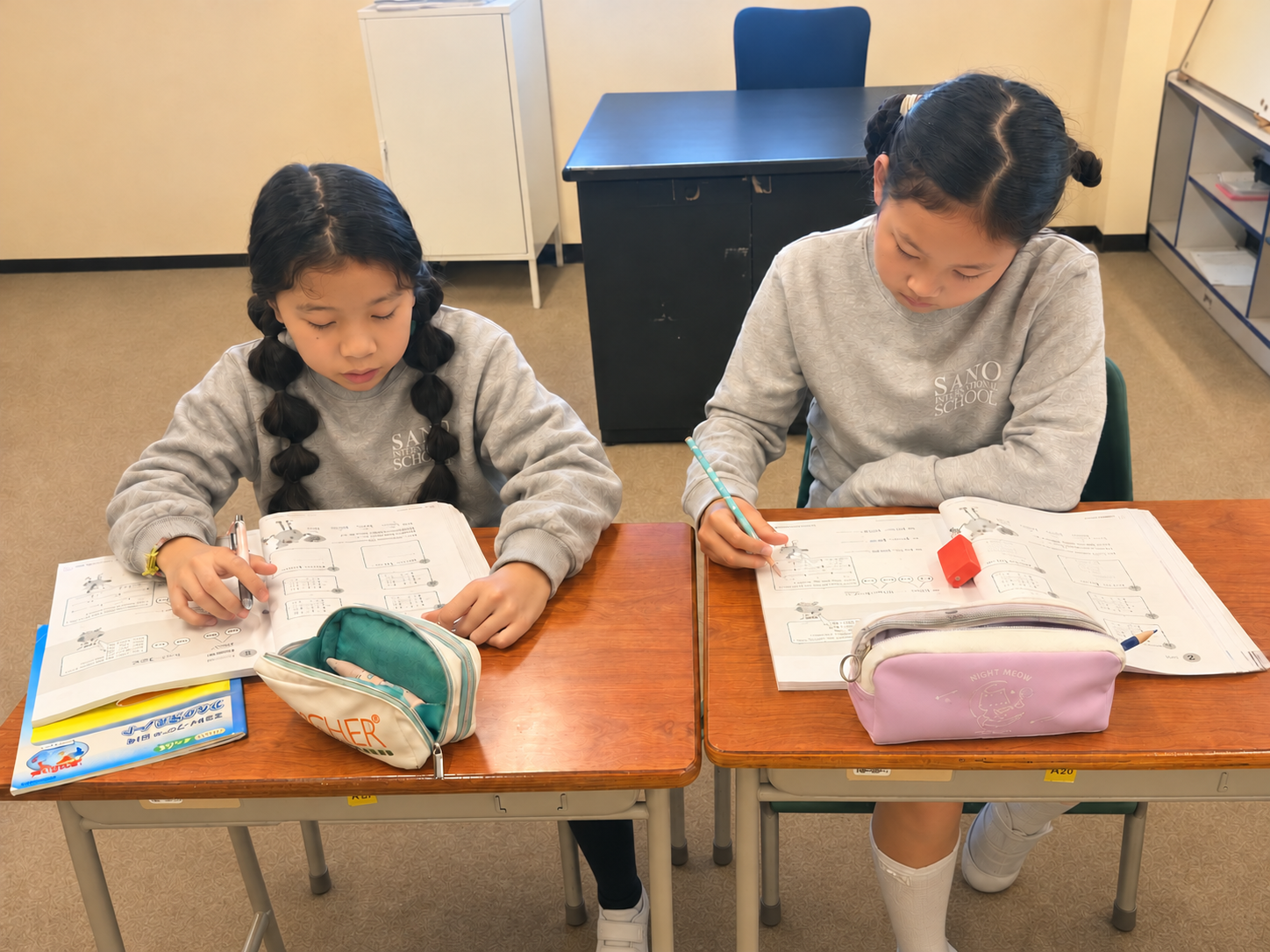
Using the My Pals Are Here Singapore Math curriculum, students develop a strong foundation in mathematics through practical activities, visual learning, and problem-solving. The Singapore Math approach helps students understand mathematical concepts step by step, moving from hands-on experiences to visual models and abstract thinking. With an emphasis on mental math, number sense, and logical reasoning, students gain the skills and confidence to apply mathematics in everyday situations.
Science
Our Science program encourages students to be curious, ask questions, and discover the wonders of the world around them. Beginning in Grade 3, students explore a variety of scientific topics through engaging lessons, discussions, and hands-on activities that bring learning to life.
Taught from a Christian perspective, our program encourages students to think critically, explore different ideas and theories, and develop a deeper understanding and appreciation of the natural world.

Geography
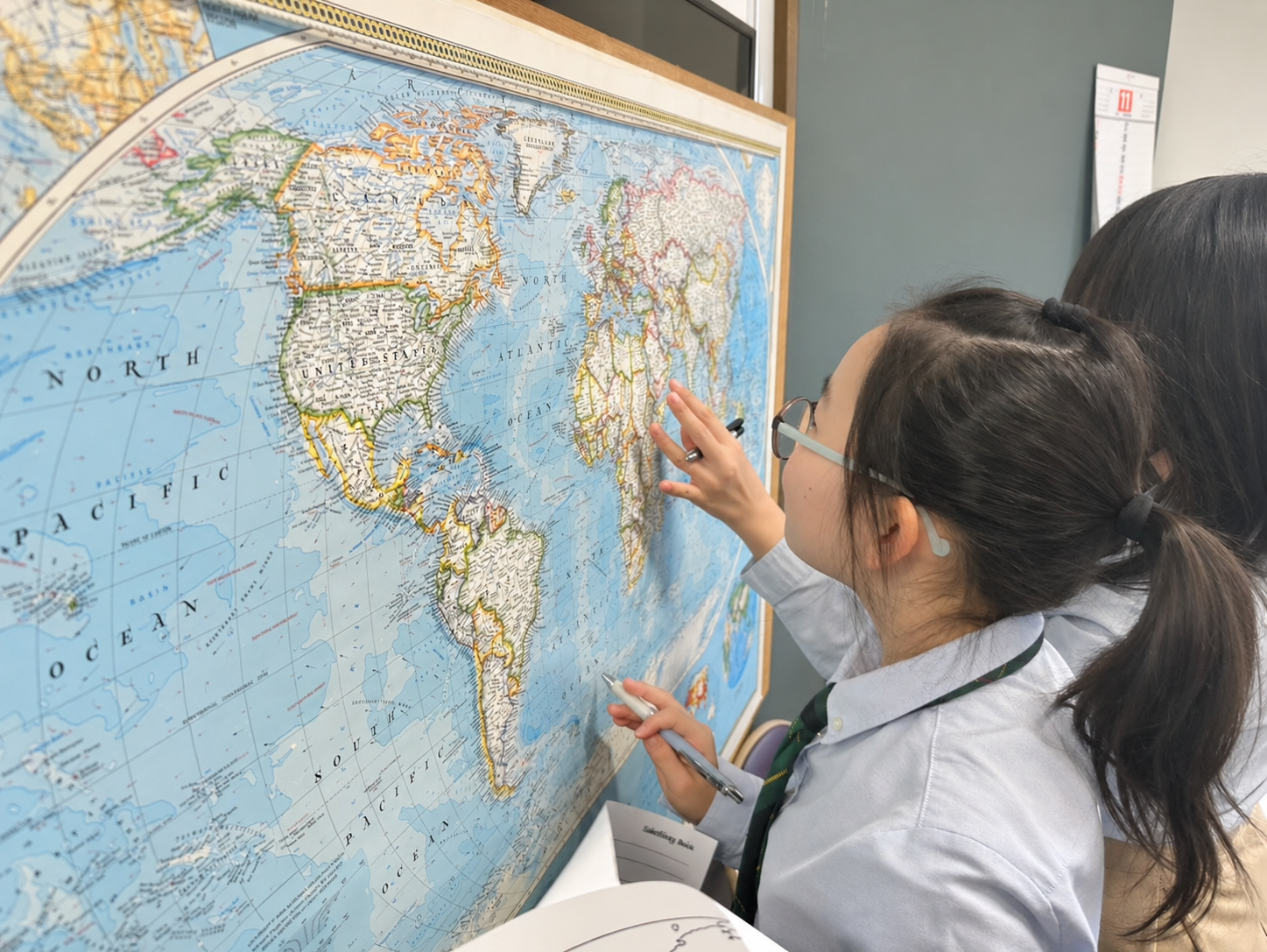
In Geography, students explore the world around them by learning about different countries, cultures, climates, and environments. Through maps, discussions, and engaging activities, students develop a better understanding of how people live around the world and how geography shapes our daily lives. Our goal is to encourage curiosity, global awareness, and an appreciation for the diversity of our world.
Music
Our Elementary Music program encourages students to discover the joy of music while developing their creativity and musical abilities. Beginning in Grade 1, students learn to read music, play the piano, and build a strong foundation in musical skills through engaging lessons and activities. Throughout the year, students also have opportunities to sing and perform at school events, helping them build confidence, express themselves, and experience the joy of making music together.

Japanese
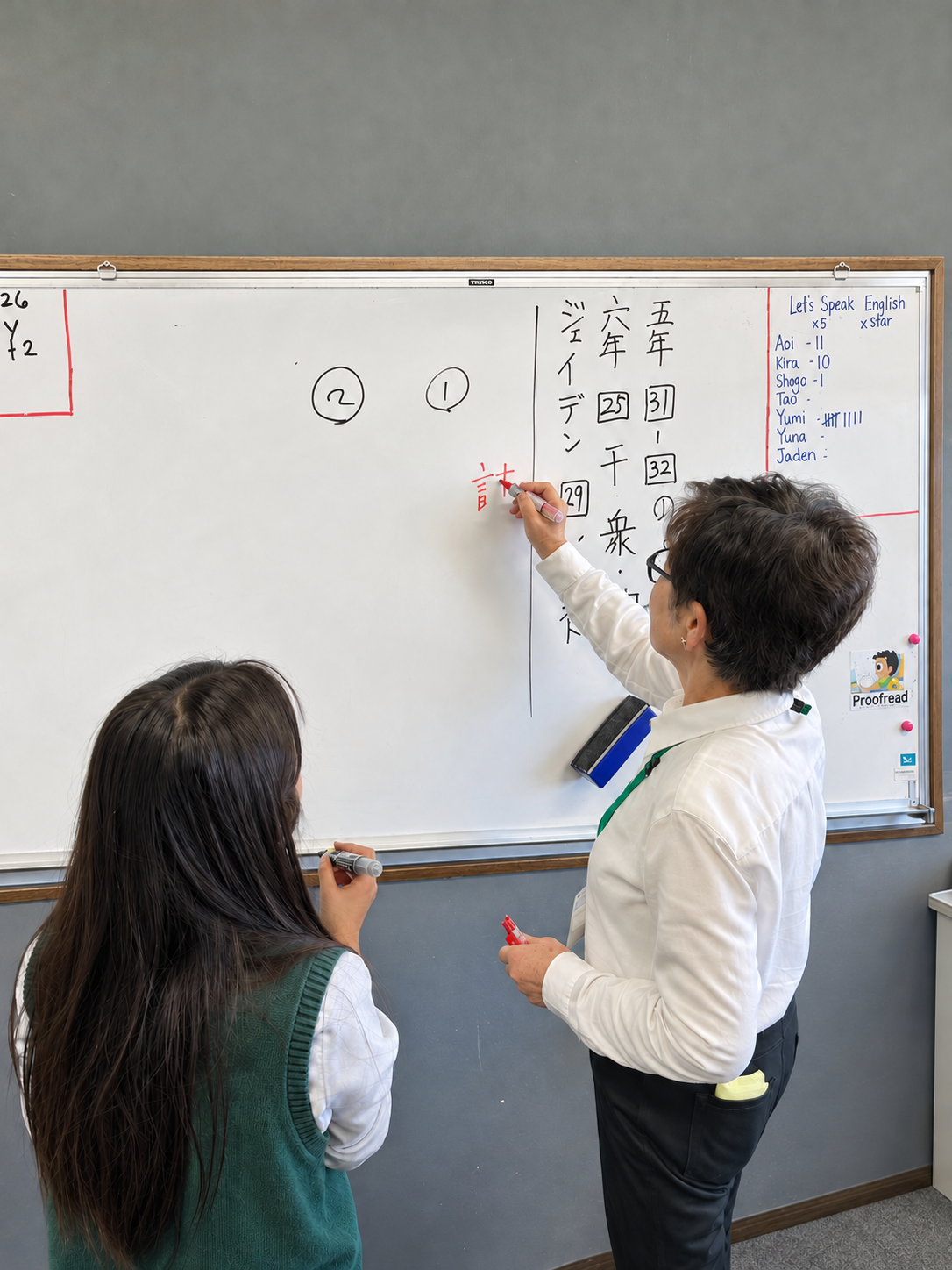
Our Elementary Japanese program helps students develop strong language skills while deepening their understanding and appreciation of the Japanese language and culture. Students use textbooks from Japanese schools to strengthen their reading, writing, speaking, and listening skills while building their knowledge of Hiragana, Katakana, and Kanji.
Our Japanese curriculum follows grade-level learning objectives, helping students strengthen their reading comprehension, expand their vocabulary, and improve their writing skills. Through structured lessons and regular practice, students build a solid foundation in Japanese while continuing to develop their language abilities at each grade level.
Art
Our program encourages students to explore their creativity, express their ideas, and develop an appreciation for art. Through drawing, painting, coloring, and experimenting with different materials and techniques, students learn the principles of design while enjoying hands-on creative experiences.
Home Economics is also incorporated into our curriculum, giving students opportunities to develop practical skills they can use in everyday life. Through fun and engaging activities, students build independence, creativity, and problem-solving skills while exploring new interests and abilities.

Physical Education
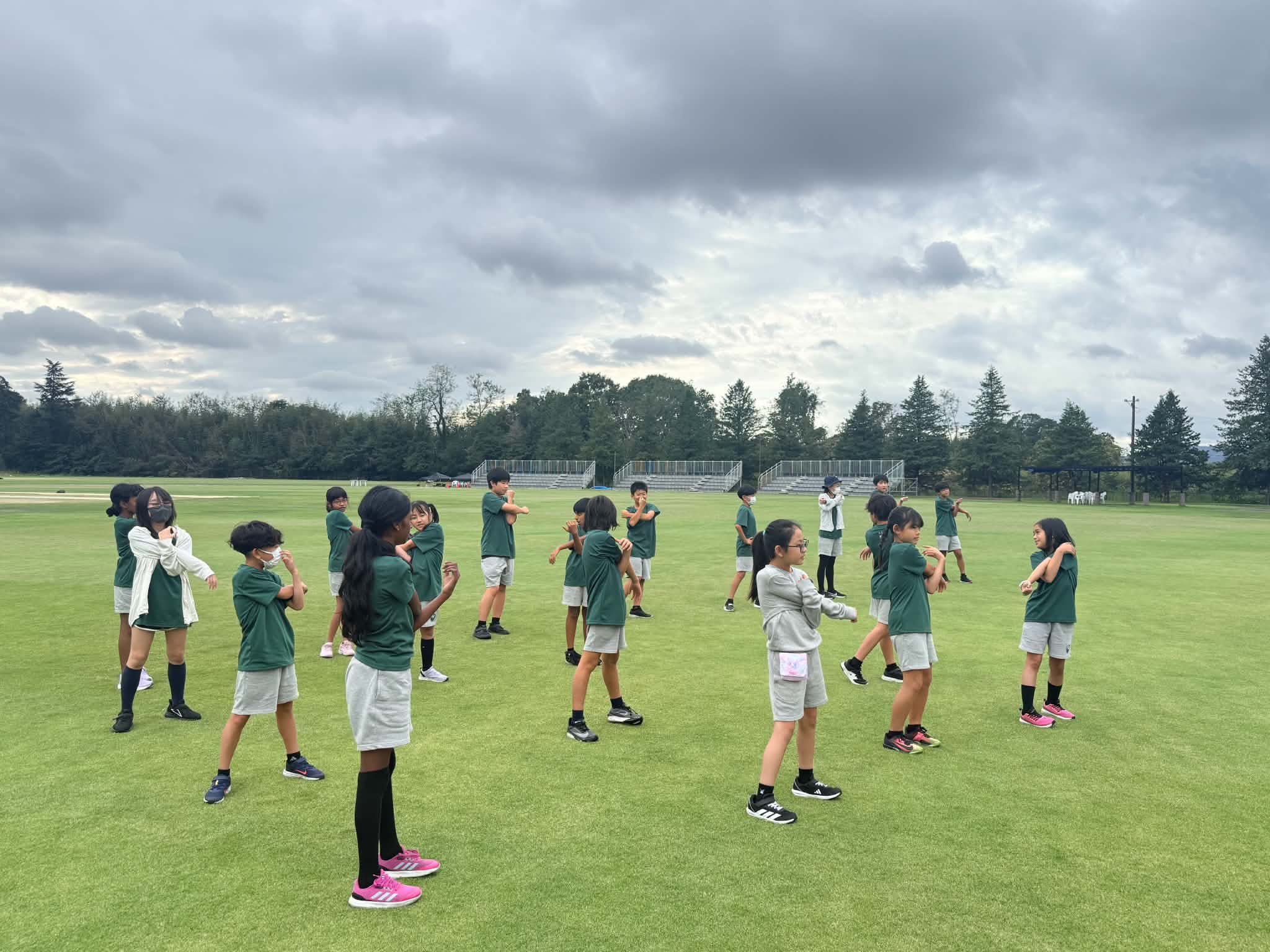
Physical Education at SIS gives students opportunities to stay active, explore different sports, and develop their physical abilities. Through individual challenges, games, and team activities, students build strength, coordination, and stamina while learning the importance of teamwork, leadership, and good sportsmanship.
Computer
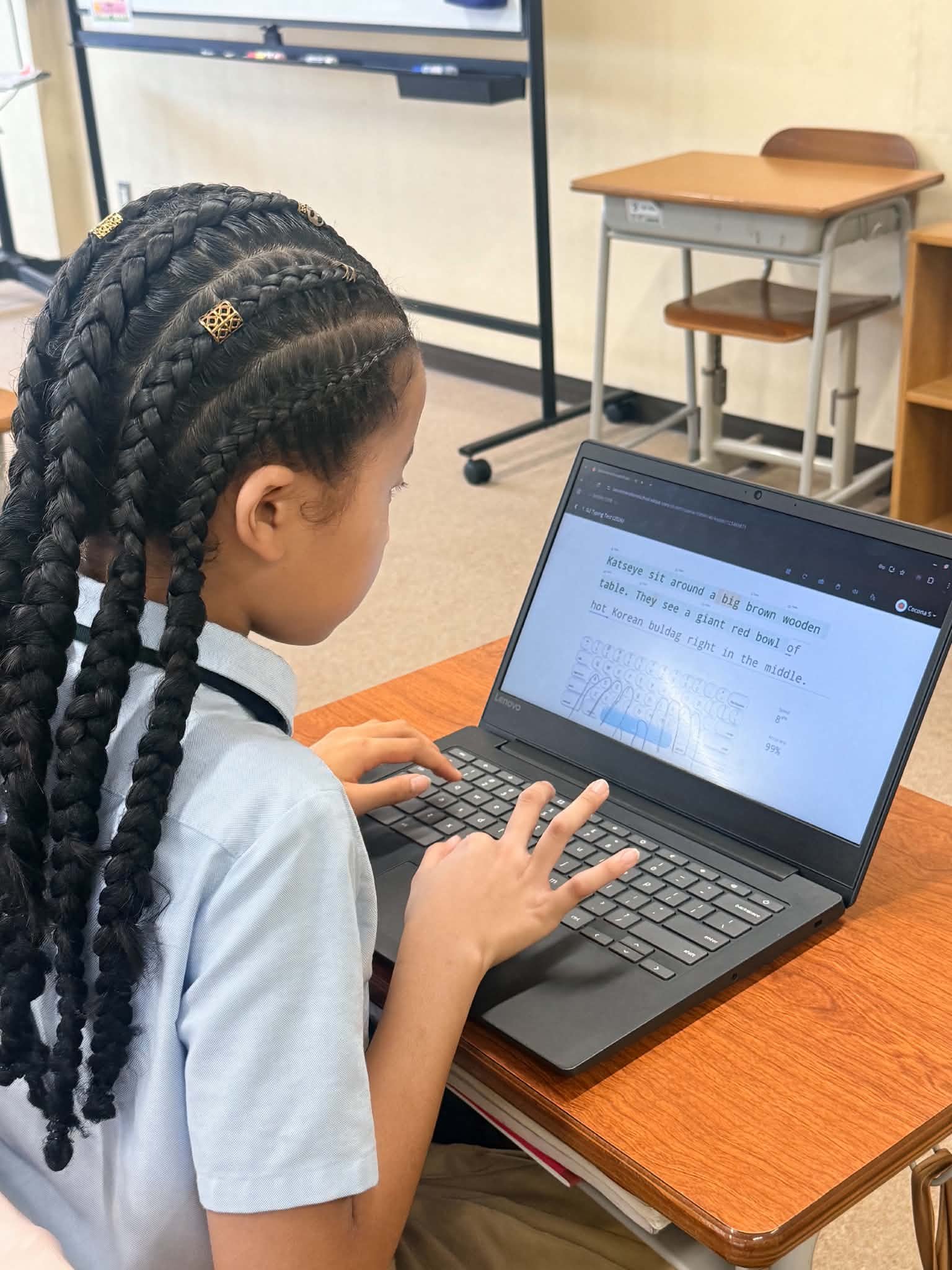
Computer classes at SIS introduce students to essential technology skills, helping them become confident and independent computer users. Students learn how to navigate computers, develop typing skills, and use Google Workspace tools such as Google Docs, Drive, and Sheets. Through practical lessons and hands-on activities, students build digital skills that support their learning and prepare them for an increasingly technology-driven world.
Assessment and External Testing
Students will be assessed regularly for progress throughout the year. Reports will be given out twice a year showing progress in each subject with comments written by the teacher to explain the progress and areas of weakness.
Once a year students from Grade 3 and up will take TOEFL Primary (Age 7 - 11) or Junior (Age 12-14), they are tested in reading, listening, comprehension and vocabulary. They are also given the opportunity to take the speaking test which is done online.
